Focus

What makes vanilla so hard to produce

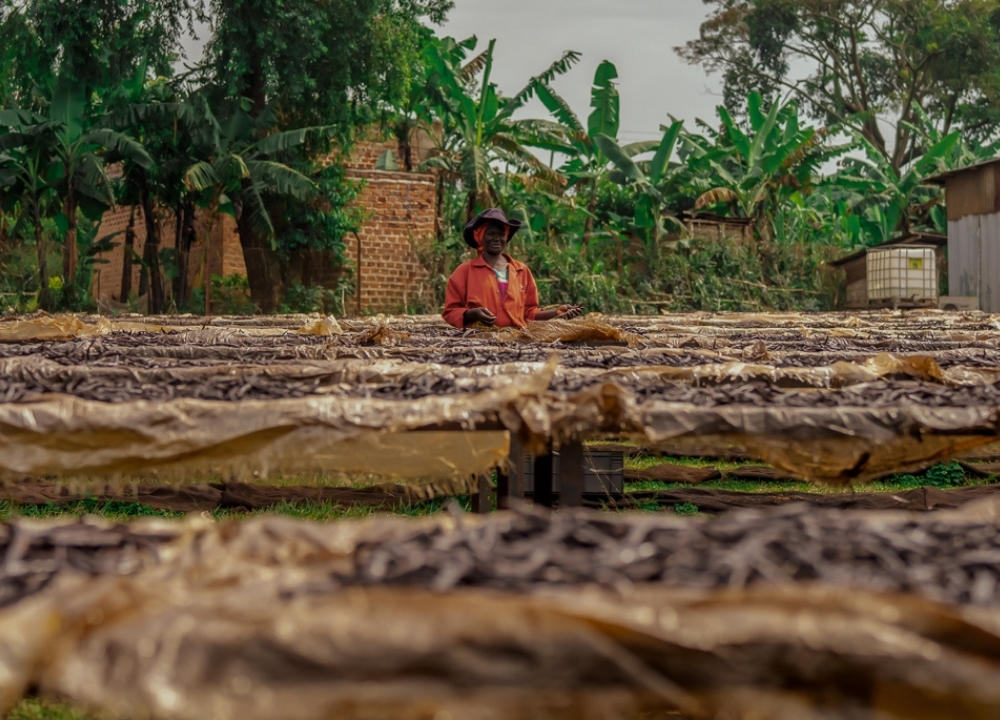
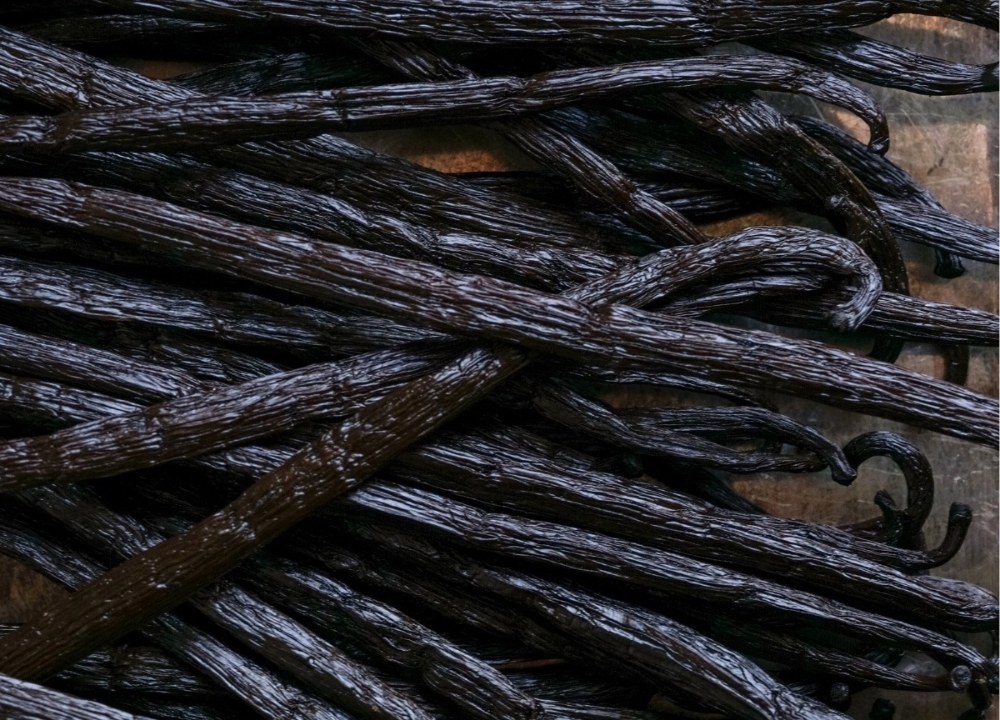
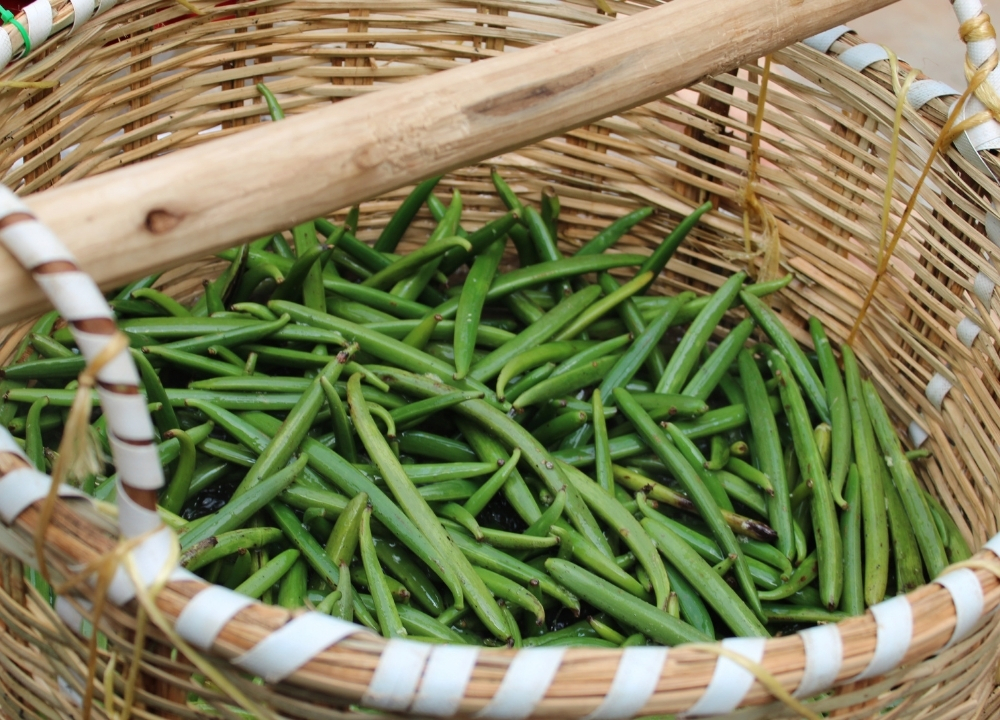
Before it becomes a flavoring ingredient, vanilla is a rare and fragile plant raw material. Derived from a tropical orchid with a long cycle, it depends on a series of precise operations, from hand pollination to post-harvest curing of the beans.

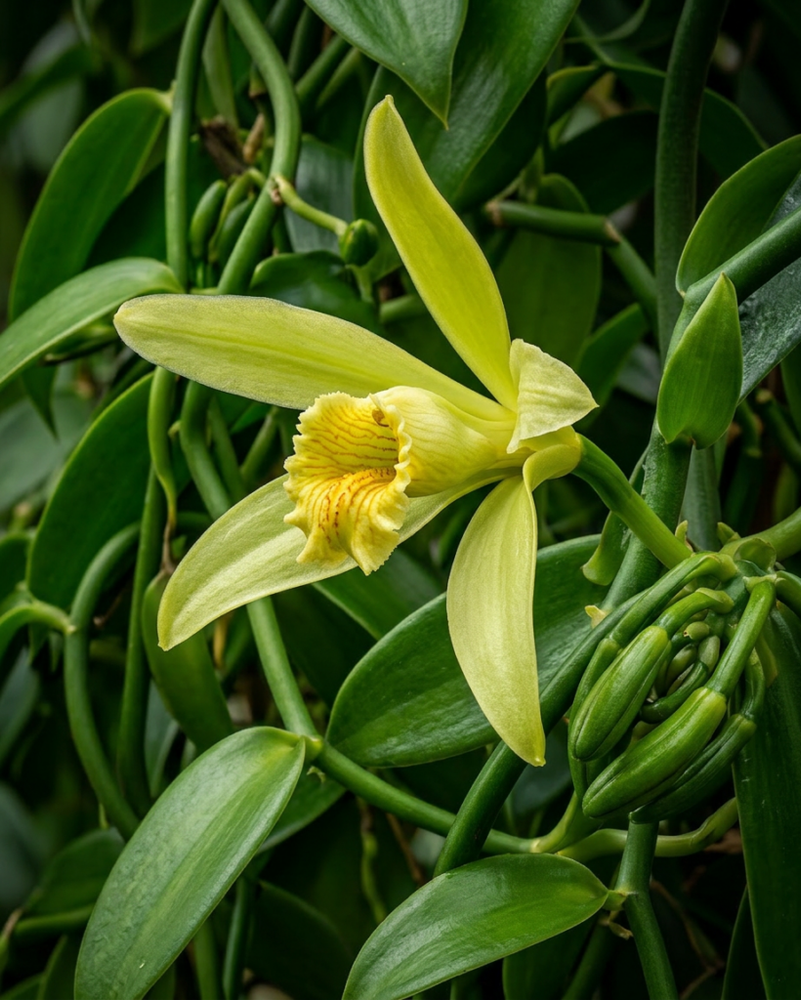
Fleur de vanillier jaune-vert éclose dans la serre Eurovanille des Hauts-de-France, avril 2026.

A flower that lasts only a few hours

The vanilla plant belongs to the Orchidaceae family. This tropical vine grows several yards (meters) long, climbing around a support.In the wild, it clings with its aerial roots to a forest tree, which provides support and shade.It produces short-lived flowers that generally last no more than a day. Each flower can give rise to a bean.


In the wild, pollination depends on a specific ecosystem and on the presence of suitable insects. Outside its native range, it has to be carried out by hand, flower by flower, within a very narrow window, which requires a large workforce.

Structurally limited yields

Depending on the operator’s skill and on conditions, the success rate of hand pollination is between 65% and 80%.

WHY VANILLA IS RARE

1 day
Lifespan of a vanilla flower
65-80%
Hand-pollination success rate
-10 to 15%
Further losses (weather, disease, insects)
On top of these failures come further losses: not every pollinated flower reaches the bean stage. Bad weather, disease and insects can cut the number of harvestable beans by a further 10% to 15%.

Then comes a long and complex processing period, making vanilla one of the most technically demanding aromatic raw materials to produce.

Three species, distinct profiles

Vanilla is not a homogeneous raw material.

  • Vanilla planifolia is grown in Madagascar, Réunion, the Comoros and Mauritius: these four Indian Ocean origins carry the Bourbon name. The species is also grown outside the Bourbon appellation in India, Mexico, Indonesia, Uganda and Congo.
  • Vanilla tahitensis comes from Papua New Guinea and French Polynesia.
  • Vanilla pompona is grown in the Caribbean and Madagascar.

The aroma profile of vanilla relies on several hundred molecules, more than 200 of which contribute to the perceived profile. Depending on species and terroir, profiles vary considerably, from aniseed and floral notes to deeper nuances reminiscent of leather, balsamic notes, almond or tonka bean.

WHAT THE WHITE PAPER ADDS

  • The vanillin content of the three species compared.
  • Eurovanille’s flavorist on the visual and aromatic differences between species.
  • The two curing methods, Bourbon and Polynesian, and their effect on the profile.

Blog

Recent Articles

Stay up to date with the latest from Eurovanille and share our love of exceptional vanilla!

  • All Posts
  • Agronomy R&D
  • CSR
  • Innovation
  • Tips & Advice
  • Trade Shows
Load More

End of Content.